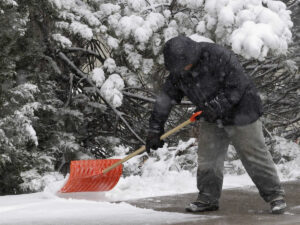
 There’s a winter storm brewing that promises to blanket the Northeast in heavy snow and dangerous amounts of ice. Preparing for the kinds of impacts we’re expecting isn’t just about stocking up on groceries and batteries. Here’s what you should (and shouldn’t) do.
Don’t just plan for power outages. Do plan for days of isolation
This storm is extreme, but even moderate winter storms can knock out electricity, especially when ice or heavy snow is involved. A battery-powered or hand-crank radio can provide weather updates if cell service and internet go down.
- Keep phones and power banks charged. Make sure flashlights, radios and extra batteries are easy to find.
- Refill prescriptions early. Make sure baby formula, diapers, pet food and medications are stocked. If anyone relies on powered medical equipment, have a backup plan in place before the storm.
- Pull out blankets, hats and warm layers now so you’re not scrambling later. Even short-lived storms can disrupt travel and services for days.
Don’t overfill your fridge. Do stock shelf-stable food and water
If the power goes out, refrigerated food won’t last long. Focus on pantry items that don’t require electricity, refrigeration or cooking.
You should aim for at least three days of food and water for everyone in your household, including pets. The Federal Emergency Management Agency recommends storing at least one gallon of water per day for each person in your household.
Your refrigerator will keep food safe for about four hours during a power outage, according to the US Department of Agriculture. A full freezer will hold a safe temperature for approximately 48 hours — but that time limit drops to 24 hours if it is half full and the door remains closed.
Disposable plates, cups and flatware can be useful to have on hand, too, if you’re without power or water.